Best Time for a Lake Atitlán Boat Tour: Weather, Seasons and the Xocomil
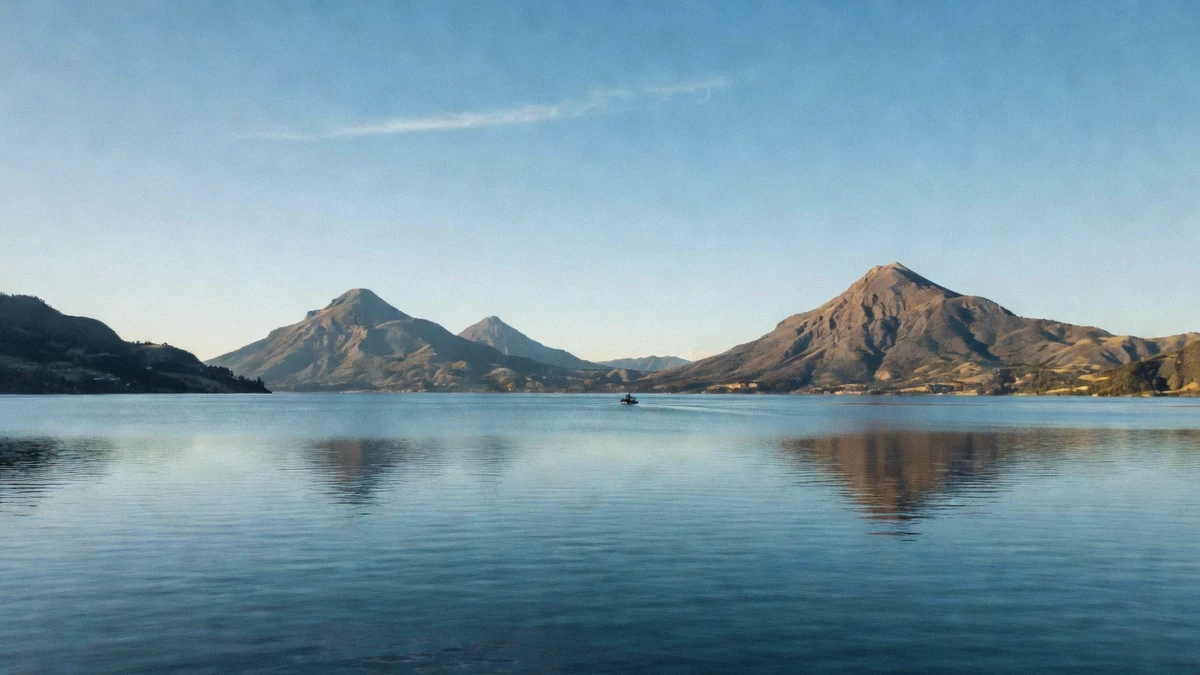
The best time to visit Lake Atitlán for a boat tour is the dry stretch from November through April, and the best time of day is the morning, every month of the year, when volcano views are clearest and rain is minimal. Both answers trace back to the same cause: the Xocomil, a thermal wind that builds over the lake after midday and is the reason nearly every boat tour here departs early. This guide runs the actual month-by-month weather, explains what the Xocomil is and isn't, and covers what happens on the rare morning morning boat tours on Lake Atitlan get called off.
Quick answer
Dry season, November through April, brings the clearest volcano views and the least rain, while morning is the best time of day year-round, before the Xocomil wind builds after midday. Rainy season, May through October, still works well for a morning departure; afternoons across the whole year are less predictable on the open water.
Key takeaways
- Best season: November through April, dry and clear
- Rainy season, May through October, still has usable mornings, rain typically arrives afternoon or evening
- The Xocomil wind builds after midday, roughly between 12:00 and 17:00, most afternoons year-round
- Mornings are usually calmer, never guaranteed calm
- Water surface temperature sits near 21°C (70°F) most of the year
- Every boat tour on this site, including the full-day three-village cruise, departs in the morning for exactly this reason
The Short Answer: Which Months and Which Hours
Two separate questions get asked here, and they have two separate answers. Which season is best: dry season, November through April, for the clearest air and the volcano views the lake is known for. Which time of day is best: morning, every single month, because the wind pattern that shapes conditions on the open water follows the sun, not the calendar.
Rainy season, May through October, is not a reason to skip the lake. The typical daily shape in those months is a clear or partly cloudy morning, cloud building through midday, and rain arriving in the afternoon or evening. A morning boat tour in July sees largely the same conditions as one in January; what changes is what happens after lunch, not the morning itself.
For a look at the villages themselves once you're on the water, see the villages guide.
Seasons at a Glance
Read the Verdict column as a plain summary of what each season is actually like for a boat tour, not a ranking of the lake itself. Both seasons are viable; they differ in what they trade off.
| Season | Months | What the lake is like | What it costs you |
|---|---|---|---|
| Dry season | November–April | Clearest volcano views, minimal rain, cool nights | Nothing beyond planning ahead in the busier months |
| Rainy season | May–October | Clear or partly cloudy mornings, afternoon or evening rain | Afternoon plans are less reliable; mornings are largely unaffected |
Either season supports a morning boat tour without much compromise. The real difference shows up if your plans extend into the afternoon, an afternoon walk in a village, a lakeside lunch with a view, since dry season keeps those plans more predictable across more of the day.
Dry Season, November to April
Dry season runs November through April and is when Lake Atitlán shows its clearest side: minimal rain, the sharpest views of the three volcanoes on the southern shore, Atitlán, Tolimán and San Pedro, and generally settled conditions through most of the day, not only the morning. January is the driest month of the year here.
The trade-off is that this is also the most visited stretch of the year, so boats and popular village stops can feel busier, particularly around the main holiday weeks. It's still, on balance, the season most visitors should aim for if their dates are flexible, especially anyone prioritizing photography or clear volcano views over avoiding crowds.
Rainy Season, May to October
Rainy season runs May through October and follows a consistent daily rhythm rather than constant rain: mornings are usually clear or lightly cloudy, cloud builds through the middle of the day, and rain arrives in the afternoon or evening. Boat tours that depart in the morning, which is effectively all of them, generally run their full itinerary without the weather becoming a factor.
September is the wettest month of the year around the lake, with average rainfall noticeably higher than any other month. That doesn't rule out a visit, a morning tour in September still typically runs, but afternoon plans in this specific month carry the most real risk of being interrupted by rain. Rainy season also tends to mean thinner crowds and a lusher, greener landscape around the shore than the dry months offer.
Rainfall and Temperature by Month
Figures below are typical long-term averages for Panajachel, not a forecast for any specific date; check current conditions close to your travel dates rather than relying on seasonal averages alone. Source: climate-data.org's long-term series for Panajachel.
| Month | Typical high/low | Rainfall |
|---|---|---|
| January | Dry season, cool mornings | Driest month, about 16 mm (0.6 in) |
| February | Dry season, cool mornings | Low |
| March | Dry season, warming afternoons | Low |
| April | Dry season, warmest before the rains | Low, rising toward month's end |
| May | Wet season begins | Rising, mornings usually clear |
| June | Wet season | Moderate to high, afternoon pattern |
| July | Wet season | Moderate to high, afternoon pattern |
| August | Wet season | Moderate to high, afternoon pattern |
| September | Wet season | Wettest month, about 384 mm (15 in) |
| October | Wet season, tapering | High, tapering by month's end |
| November | Dry season begins | Low, dry season starts |
| December | Dry season, cool nights | Low |
Across the year, Panajachel's mean temperature runs about 17°C (63°F), with the annual range spanning roughly 11°C to 26°C (52°F to 79°F). Annual rainfall totals about 2,230 mm (88 in), overwhelmingly concentrated in the May-to-October stretch. Water surface temperature sits near 21°C (70°F) most of the year, comfortable for the swim stops several tours include.
For current conditions and forecasts, INSIVUMEH, the Guatemalan national meteorological institute, is the right authority to check.
The Xocomil, and Why Every Boat Tour Leaves in the Morning
Xocomil is a Kaqchikel word, usually translated as "the wind that carries away sin." It's a daily thermal wind pattern, not a storm: as the day heats up, air over the warm land basin and air over the cooler lake surface move at different rates, and warm air rising off the surrounding slopes pulls cooler air off the water. The two currents collide inside the volcanic caldera that holds the lake and set up real turbulence on the open water.
It builds after midday, typically strongest somewhere between roughly 12:00 and 17:00, and it's the direct reason boat tours across the lake depart in the morning rather than the afternoon. The effect is short, steep chop across the open middle of the lake rather than a gentle swell, and Guatemalan press has reported it capsizing a lancha carrying 17 people, a reminder that this isn't a minor inconvenience on a bad day.
Sources genuinely disagree on the Xocomil's exact direction and which season it hits hardest, some describe it as strongest in the dry season, others in the rainy season, so this guide doesn't state either. What's consistent across every source is the timing: it happens on most afternoons, year-round, which is precisely why mornings are the safer and more comfortable window regardless of season. Mornings are usually calmer, never guaranteed calm, and no crossing on this lake should be promised as smooth.
How to Plan Around the Wind
None of this requires much extra planning, since almost every boat tour on the lake is already scheduled around it. If you're riding the public boats yourself rather than a guided tour, the lancha guide covers the same early-morning departure pattern from the DIY side, including when the docks actually open.
- Book a morning departure, which is the default for nearly every operator here
- Avoid scheduling a return crossing for late afternoon if you have any flexibility
- Expect the wind to be worse in the open middle of the lake than close to shore
- Don't treat a calm morning as a guarantee for the return trip later the same day
- Ask your operator what their plan is if the wind picks up before you board
- Pack a light layer; wind on open water feels cooler than it does on land
What Happens When the Crossing Is Called Off
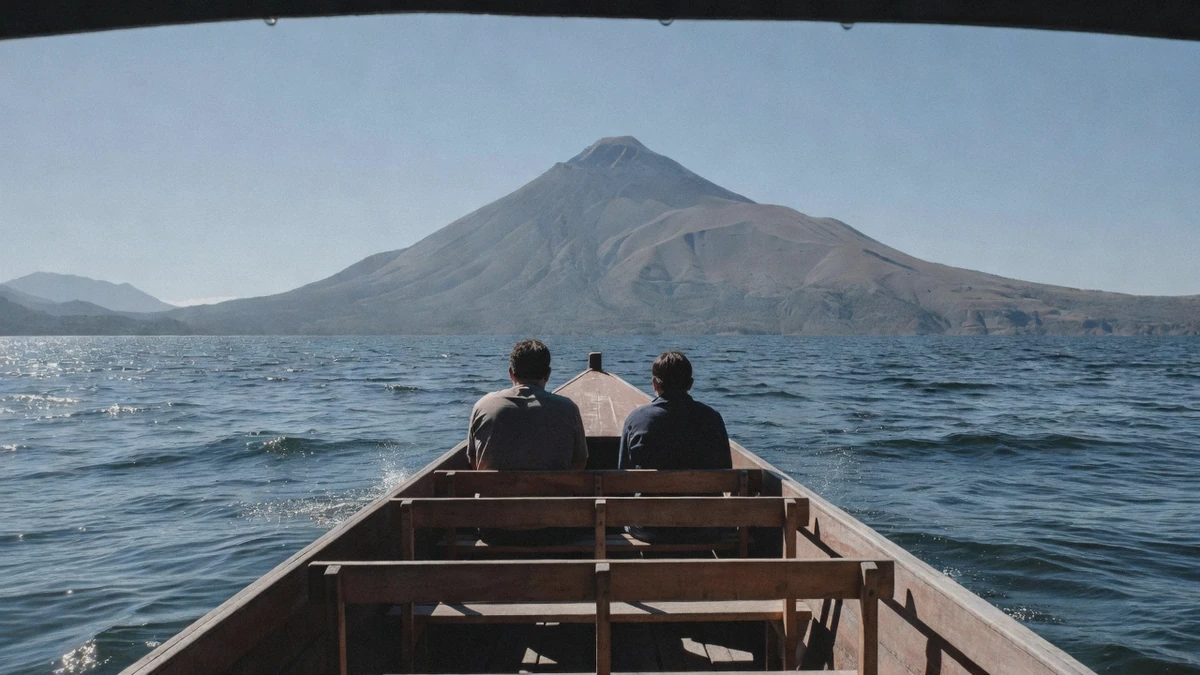
Operators plan around the Xocomil rather than getting caught by it. One tour operator states plainly that when the wind prevents a safe crossing to San Juan la Laguna, the boat diverts instead to Santa Catarina Palopó or San Antonio Palopó, both on the sheltered, low-wind eastern shore, rather than pushing through open water. That kind of honesty about the wind is worth more than a route that pretends the lake is calm on demand.
For a first-hand account of what a rough crossing can feel like from the passenger seat, one traveler on the shared lancha tour described the ride to San Juan as choppy, not because of the driver, and flagged it as worth knowing if you're prone to seasickness. That's a genuinely useful data point: the crossing itself, not the operator, is what makes a given day rougher or smoother.
Best Window by Traveller Type
If you want the clearest volcano views and don't mind slightly busier boats
November through April, the dry season's clearest stretch.
If you're prone to seasickness or nervous about open water
book the earliest morning departure available, any month, and skip any late-afternoon crossing.
If your dates are fixed for the rainy season
book a morning tour and plan afternoon activities in a single village rather than another boat leg.
If you want fewer crowds and don't mind occasional afternoon rain
May, June or October, at the edges of rainy season, tend to be quieter.
If your trip lands in September specifically
book the earliest slot you can; it's the wettest month and afternoon plans carry the most real risk.
Morning Departures on the Water
Every boat tour on this site runs a morning departure by design. The full-day three-village cruise leaves Panajachel at $58 for 8 hours and covers San Juan, San Pedro and Santiago before the afternoon wind builds. The shared lancha to San Juan and Santiago runs $40 for 6.5 hours on the same early-start logic. For visitors combining the lake with Antigua, the day tour from Antigua with textiles and chocolate runs $110 for 12 hours, with the extra time covering the road transfer as well as the boat; this is the operator that states it diverts to Santa Catarina or San Antonio Palopó if the crossing to San Juan is too rough that day. The Lake Atitlán day trip from Antigua or Guatemala City is another morning-departure option combining the road transfer with a boat crossing to Santiago Atitlán, at $149 for 12 hours.
 from $58
 Full-Day Cruise: Three Villages on Lake Atitlán from Panajachel
Full-day sailing tour from Panajachel to three Lake Atitlán villages: San Juan la Laguna, Santiago Atitlán, and San Pedro. Stops include a women's textile cooperative, honey tastings, and…
- Sailing across the caldera to three villages
- Women's textile cooperative in San Juan la Laguna
- Honey, bees & chocolate tastings
- Small group — max 15 travelers
 from $40
 Shared Lancha: Panajachel to San Juan la Laguna & Santiago Atitlán
Cruise Lake Atitlán by shared lancha from Panajachel's dock to San Juan la Laguna and Santiago Atitlán. A bilingual guide leads village stops including a textile cooperative, natural…
- Shared lancha from Panajachel's main dock
- San Juan la Laguna textile cooperative & natural dyes
- Santiago Atitlán colonial market
- Bilingual English/Spanish guide included
 from $110
 Lake Atitlán Day Tour from Antigua: Boat Ride, Textiles & Chocolate
Day tour from Antigua with hotel pickup, a van transfer to Panajachel, and a lancha ride to San Juan la Laguna. Includes workshops in traditional textile dyeing with…
- Hotel pickup from Antigua or Guatemala City
- Scenic lancha to San Juan la Laguna
- Traditional textile dyeing workshop
- Guatemalan chocolate-making experience
The season you pick changes what the light looks like and how predictable your afternoon plans are. The time of day you pick changes whether your crossing is comfortable. Both matter, but they answer different questions, and neither one should be treated as more important than getting the morning departure right, whatever month you end up traveling in.
Frequently Asked Questions
What is the best month to visit Lake Atitlán?
Any month in the dry season, November through April, for the clearest volcano views and least rain. January is the driest month specifically. Rainy-season months still work well if you keep plans to the morning.
What time of day should you take a boat on Lake Atitlan?
Morning, every month of the year. The Xocomil wind builds after midday, typically strongest between roughly 12:00 and 17:00, which is why nearly every boat tour here departs early rather than in the afternoon.
What is the Xocomil on Lake Atitlán?
A daily thermal wind, not a storm, caused by warm and cool air currents colliding inside the volcanic caldera as the day heats up. It builds after midday most afternoons year-round; sources disagree on its exact direction and worst season, so neither is stated here.
Is Lake Atitlán worth visiting in the rainy season?
Yes. Mornings in the rainy season, May through October, are typically clear or lightly cloudy, with rain arriving in the afternoon or evening. A morning boat tour sees largely the same conditions as one booked in the dry season.
How cold does Lake Atitlán get?
Panajachel's annual mean temperature is about 17°C (63°F), with the year ranging roughly 11°C to 26°C (52°F to 79°F). Nights in the dry season, especially December through February, run coolest.
What happens if the weather cancels a boat tour?
Operators generally reroute rather than cancel outright; one operator states it diverts to Santa Catarina Palopó or San Antonio Palopó, on the sheltered eastern shore, when the crossing to San Juan is too rough. For details on the villages themselves, see the villages guide.
When are the volcano views clearest?
Dry season, November through April, when rain and haze are at their lowest. Morning is also generally clearer than afternoon on the open water, independent of season, since cloud tends to build through the day.